
From Curiosity to Leadership Through Drone Soccer
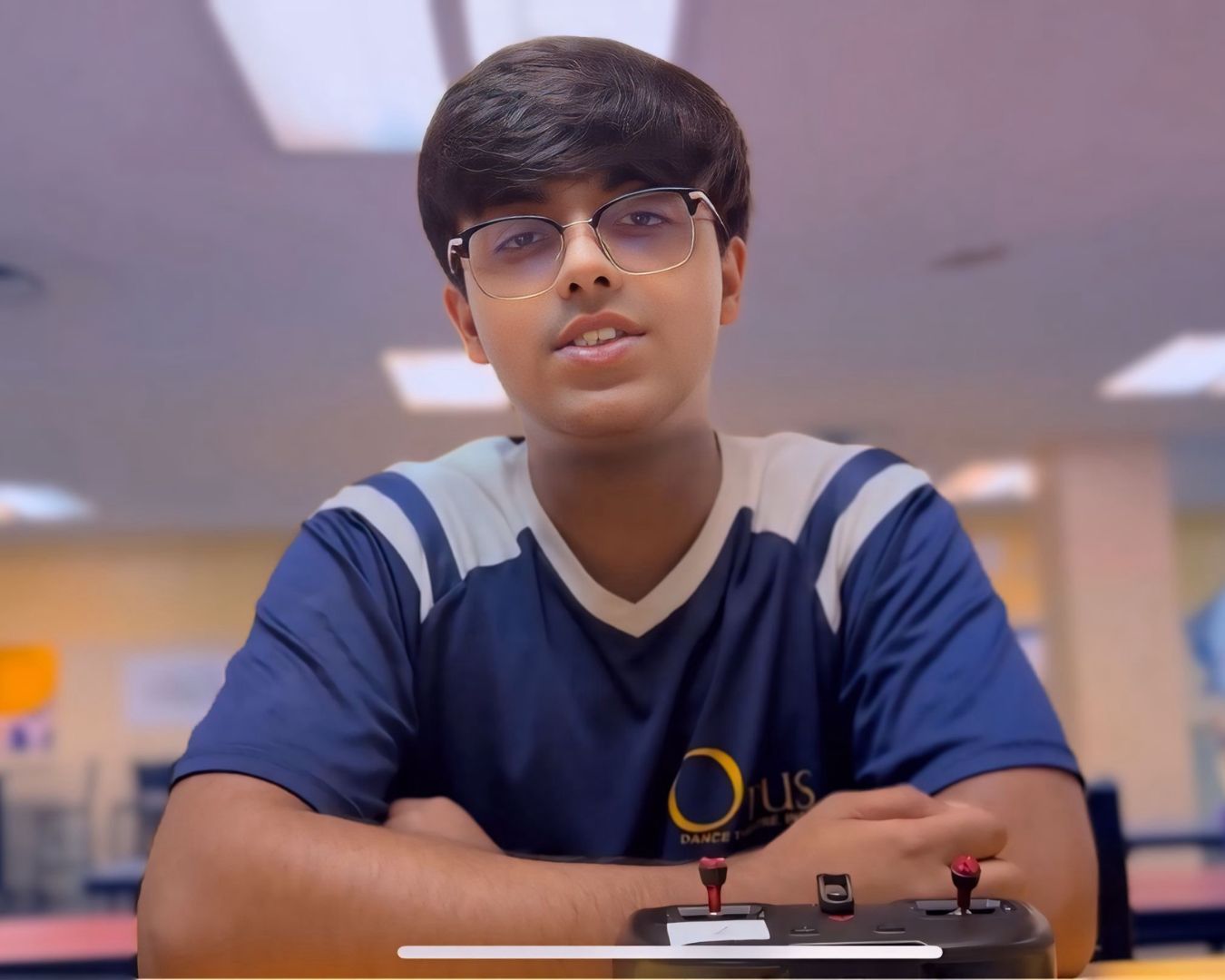
Before joining the OPUS Drone Soccer Team, Abdul Wahab already had a deep passion for music, engineering, and history. As a student interested in becoming an aerospace engineer, he was eager to gain hands-on experience in STEM — but, like many young people, he found access to drones, equipment, and technical learning opportunities out of reach.
That changed when he learned about the OPUS Drone Soccer Program through his high school engineering club.
What started as curiosity quickly became a life-changing opportunity.
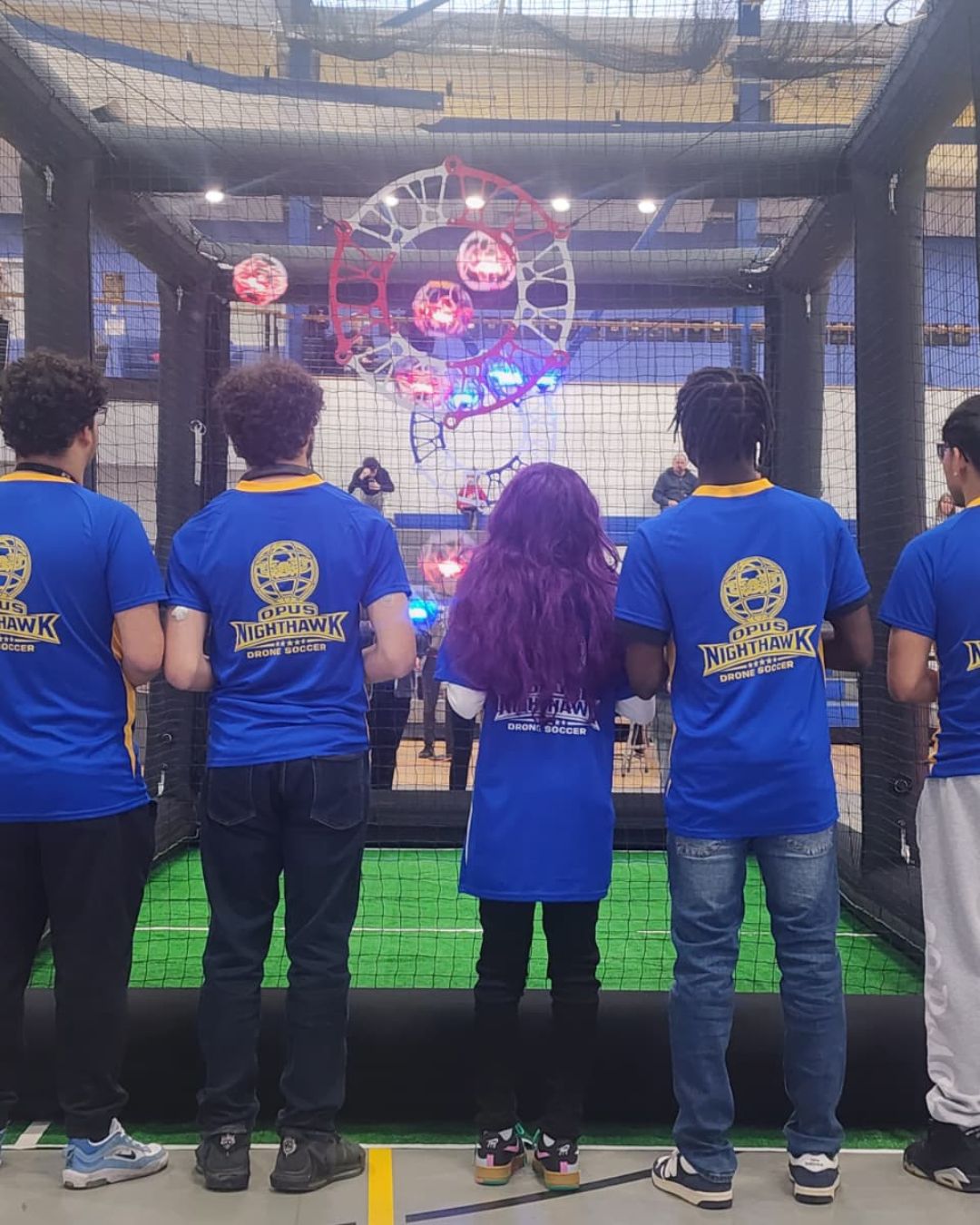
At first, flying a drone was far more difficult than he expected. Hovering, controlling movement, and competing in a real match required focus, patience, and discipline. In his first practices and competitions, he struggled — but he kept showing up, kept learning, and kept improving.
Through the program, Abdul developed far more than just technical ability.
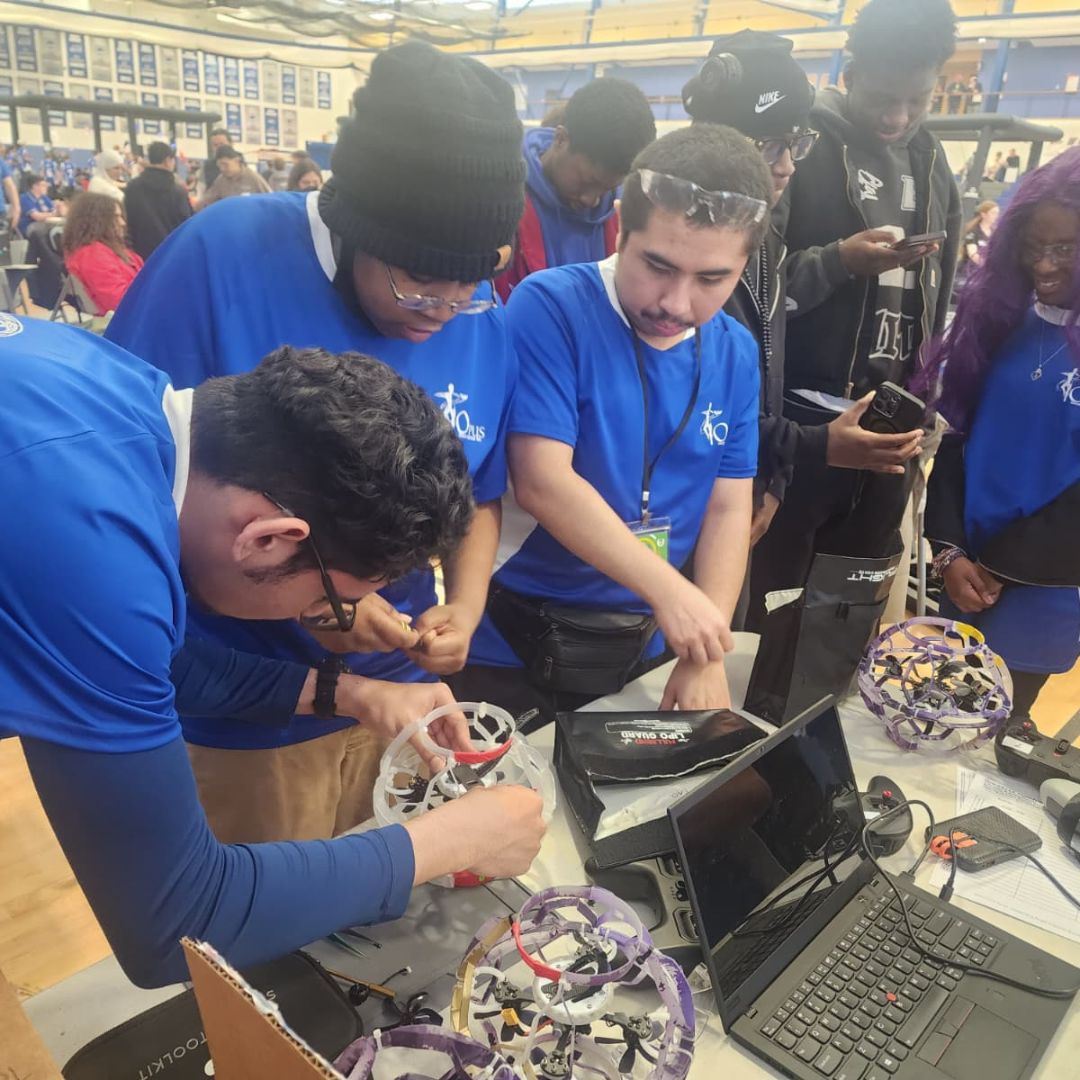
Over time, he gained hands-on experience with drone hardware, soldering, programming, tuning systems through Betaflight, and understanding the physics behind flight. Just as importantly, he also grew into a leader — first as a team captain and now as a coach — learning how to guide others, build trust, delegate responsibility, and support his teammates.
One of his proudest moments came when the team won its first competitive match. After feeling nervous the night before, Abdul entered the arena and surprised even himself with how well he performed. That moment became proof that the hours of practice, teamwork, and perseverance were paying off.
But for Abdul, the greatest impact of OPUS has gone beyond competition.
The program gave him a community. It helped him build friendships, confidence, and leadership skills, and develop a stronger vision for his future. It also expanded his understanding of STEM by exposing him to multiple areas of engineering, including electrical, mechanical, technical, and computer-based systems.
Today, Abdul sees the OPUS Drone Soccer Program as more than an afterschool activity — he sees it as a launchpad.
“The OPUS Drone Soccer Program has greatly impacted my life and the lives of my peers. Thank you for investing in us — and more importantly, making us feel invested in.”
Abdul’s journey is a powerful reminder of what happens when students are given access, mentorship, and a chance to grow.
Programs like OPUS don’t just teach skills — they help shape the next generation of leaders, innovators, and problem-solvers.